Climate Risks and Opportunities for Russian Mining and Metals Companies
RAEX research on climate indicators, regulatory risks, carbon markets, and decarbonisation options for Russian mining and metals companies.
Climate risks and opportunities for mining and metals companies
Summary
Progress on the climate agenda is currently being made in various regions around the world. The CBAM (The Carbon Border Adjustment Mechanism) definitive period has started on 1 January, 2026, whilst in China, an environmental and nature conservation code will come into force by August, forming the basis for climate governance, the monitoring of total and specific emissions, and the calculation of products’ carbon footprints.
To assess the risks and opportunities facing companies in the mining sector amid evolving climate regulations, RAEX has analysed trends in climate-related performance indicators for 11 Russian mining and metals companies (MMC) featured in the RAEX ranking, and reviewed responses from six Russian MMC with high scores in the RAEX climate ranking.
The analysis conducted indicates that the CBAM has not yet had a significant impact on the climate strategy of Russian MMC; however, it may have a delayed effect and exert a certain degree of pressure in the long term, for which market participants are gradually preparing. For the time being, the greatest influence on the development of domestic companies’ climate strategies is exerted by the provisions of Federal Law No. 296 ‘On the Limitation of Greenhouse Gas Emissions’ and internal corporate policy.
All the companies surveyed assess climate risks, although a third of them consider these risks insignificant. Among the risks associated with changes in climate regulation, companies are most concerned about rising production costs. Product prices may be affected by the costs of carbon offsetting, investments in improving the energy efficiency of production processes, and charges for direct greenhouse gas (GHG) emissions.
MMC surveyed have identified new opportunities arising from stricter climate regulations, but a third of them do not consider these significant. The list of potential opportunities includes carbon trading, increased investment in low-carbon energy, and the development of ‘green’ products.
Quantitative climate-related indicators for Russian MMC
The agency analysed the performance trends of 11 Russian MMC featured in the RAEX ranking over the period 2021–2024.
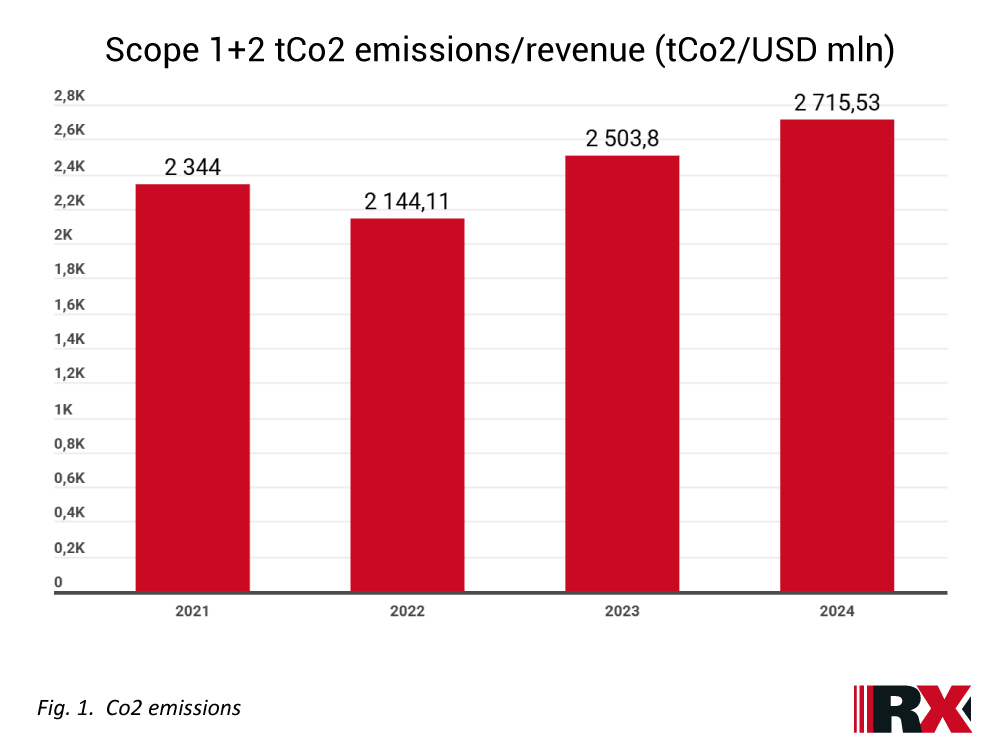
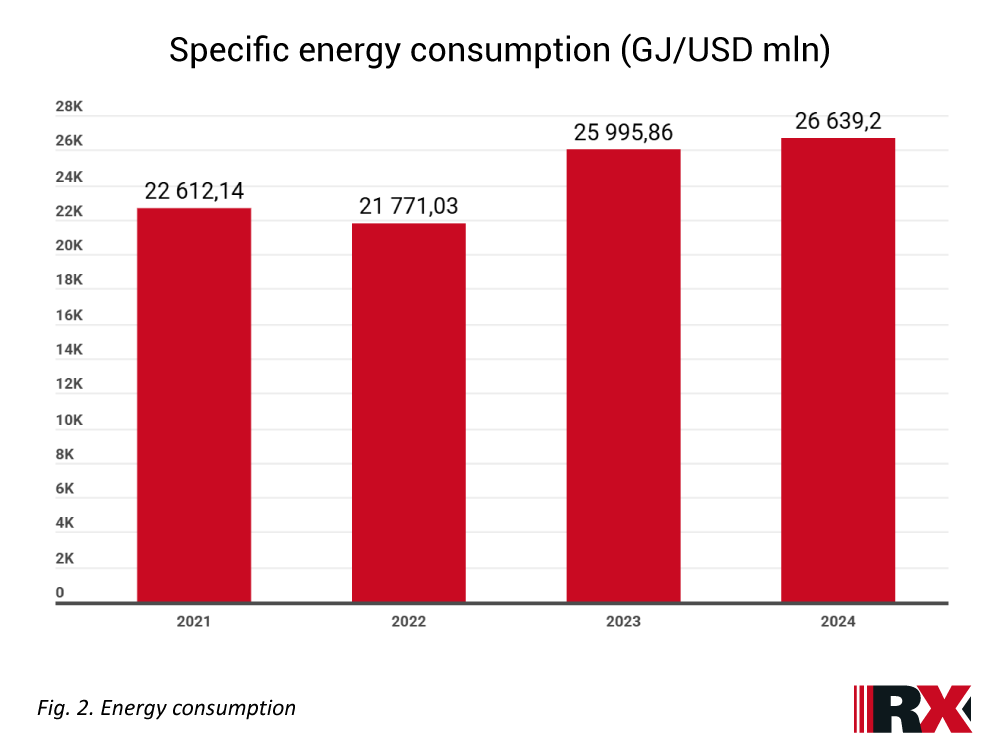
The trends in specific greenhouse gas emissions and energy consumption are on an upward trajectory, linked to the gradual recovery of industrial activity after 2022.
Alongside rising energy consumption and increasing carbon dioxide emissions, carbon offset mechanisms such as the purchase of carbon credits and the generation of renewable energy are developing in the Russian carbon market. Over the past three years, there has been a rise in the use of renewable energy (RE) and the purchase of carbon units (CUs) with the aim of reducing companies’ carbon footprints.
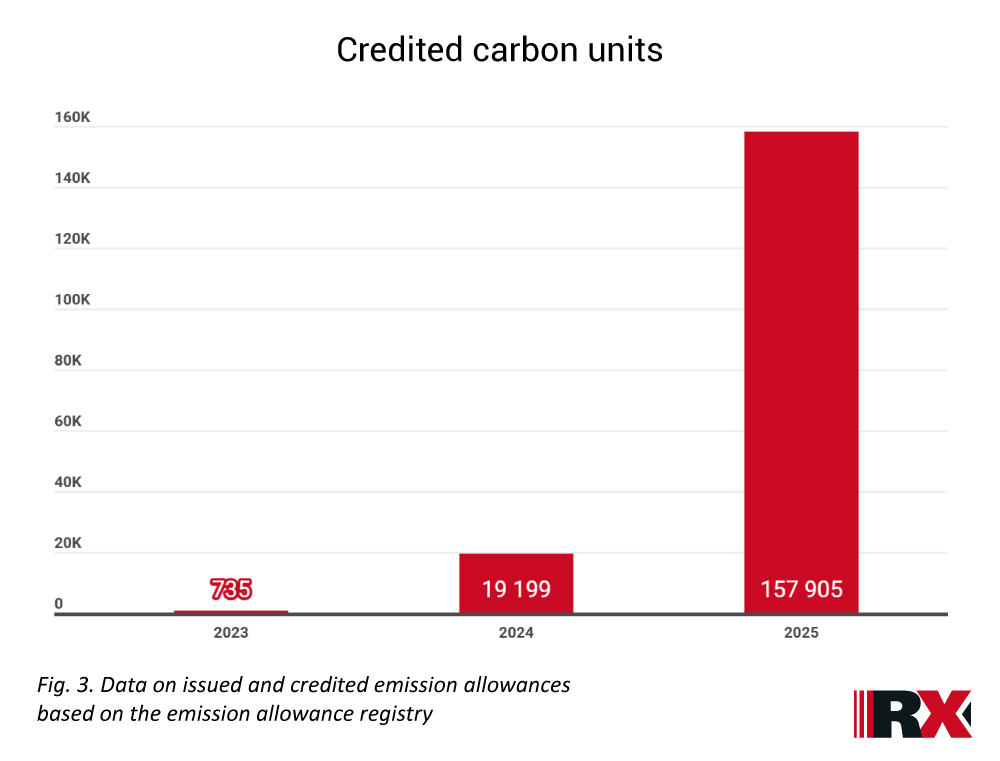
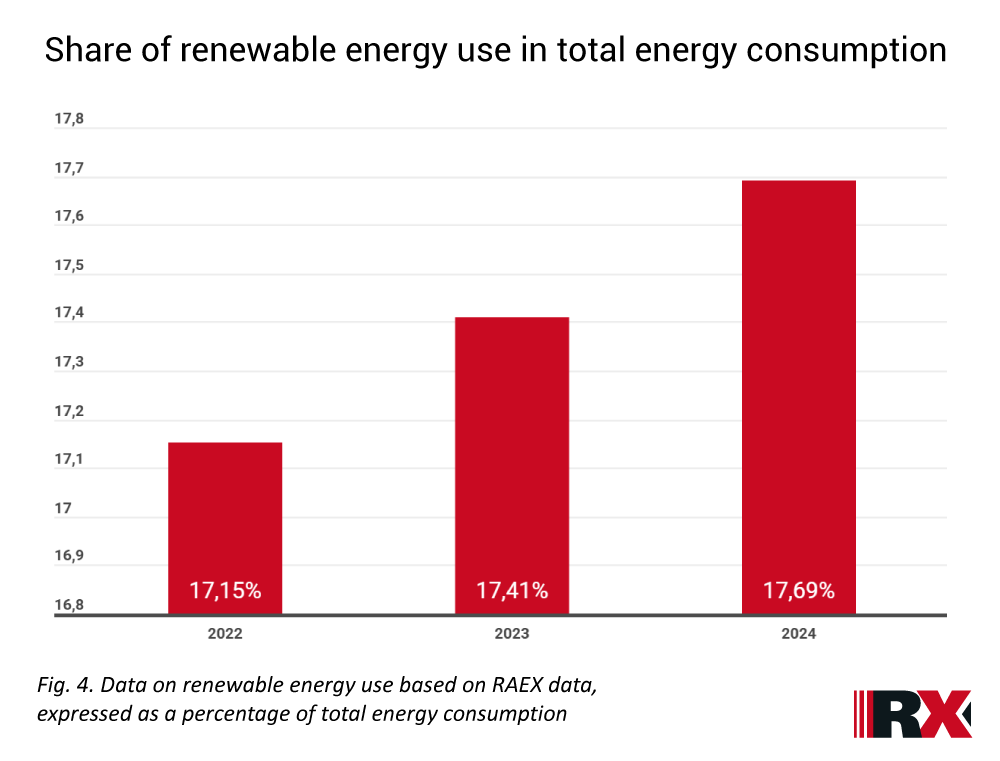
Mining and metals companies that took part in the survey offset their emissions through climate projects. One of the leaders in this field is Rusal, which owns five climate projects with a total validated volume of 8.7 million carbon credits. Polyus has succeeded in moving towards the practical implementation of climate initiatives: in 2024, it issued its first 2.2 million carbon credits, registered in the Russian registry.
Nornickel registered a project based at the Kola MMC, ensuring a reduction in emissions of approximately 17,500 tones of CO₂ equivalent. Severstal has publicly registered projects aimed at improving production energy efficiency and utilising secondary energy resources.
Internal regulations and corporate policy are the main drivers of the MMC climate strategies
To identify the motivations driving companies to actively engage with the climate agenda, the agency surveyed the leaders of the RAEX climate ranking, which includes, in particular, Norilsk Nickel, Polyus, Rusal, Evraz, Severstal and NLMK.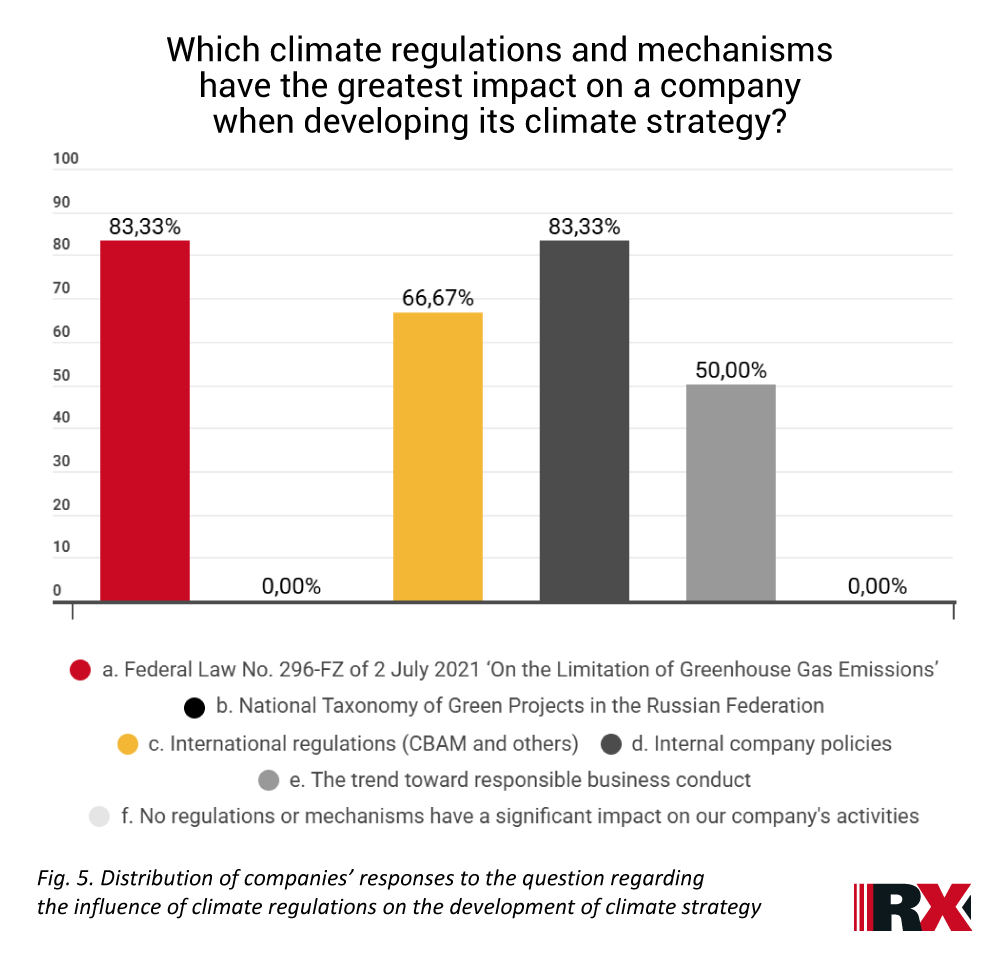
The key factors in developing a climate strategy are Federal Law No. 296 ‘On the Limitation of Greenhouse Gas Emissions’ and internal corporate policy. A third of respondents believe that cross-border regulation of carbon emissions is not currently relevant to Russian companies, although it is expected to develop in the long term. The trend towards responsible business practices has a significant impact on half of the companies.
Rising production costs — the main risk posed by stricter climate regulations
Every company surveyed conducts a climate risk assessment, although a third of respondents consider such risks insignificant. When it comes to changes in climate regulation, companies are primarily concerned about rising production costs — for example, due to the costs of offsetting their carbon footprint, investments in energy efficiency and payments for direct emissions.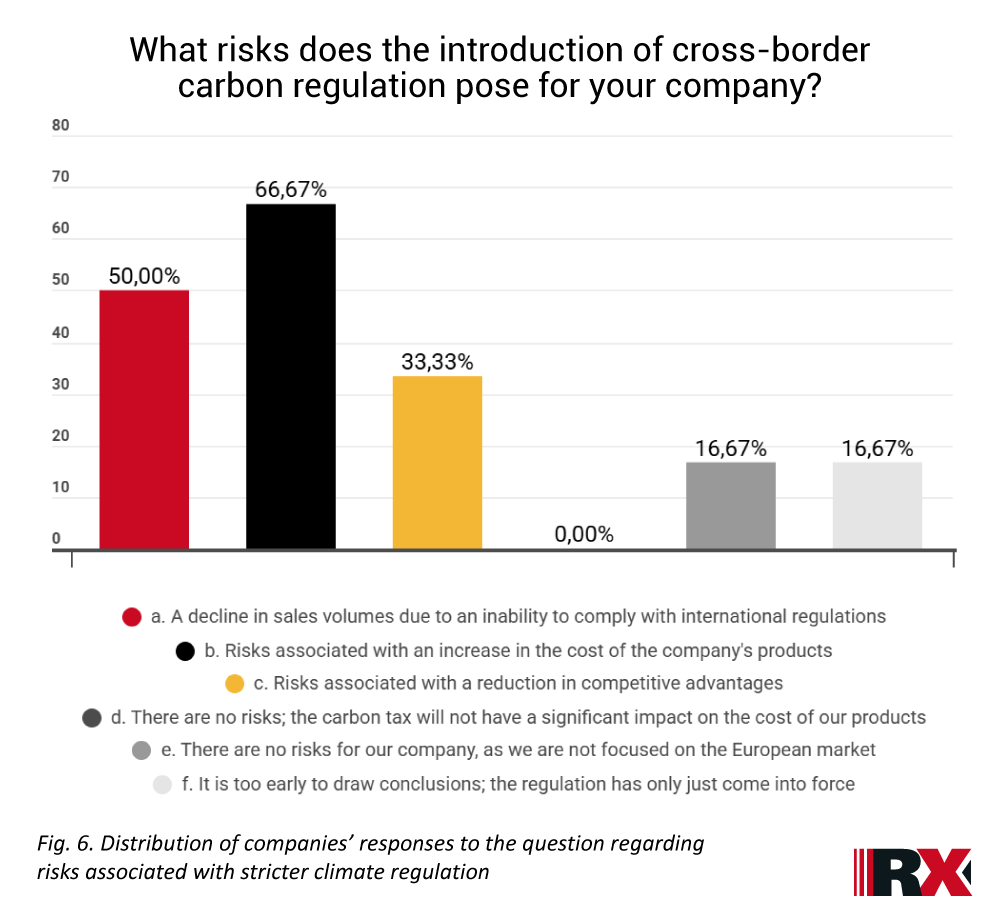
Half of the survey participants see risks in a decline in sales due to an inability to meet external regulatory requirements, whilst a third of respondents fear a loss of competitive advantage.
In addition to the risks listed in the survey, participating companies highlighted the problem of the unavailability of emissions verification mechanisms within the framework of trans-carbon regulation. This entails a financial risk in the form of a possible additional charge for products whose carbon footprint has already been offset on the Russian carbon credit market.
Mining and metals companies intend to capitalise on the opportunities offered by Russia’s carbon market
All MMC sector companies surveyed acknowledge the emergence of new opportunities arising from stricter climate requirements; however, a third of respondents do not consider these opportunities to be significant. Potential areas include carbon trading, increased investment in low-carbon energy and the development of ‘green’ products.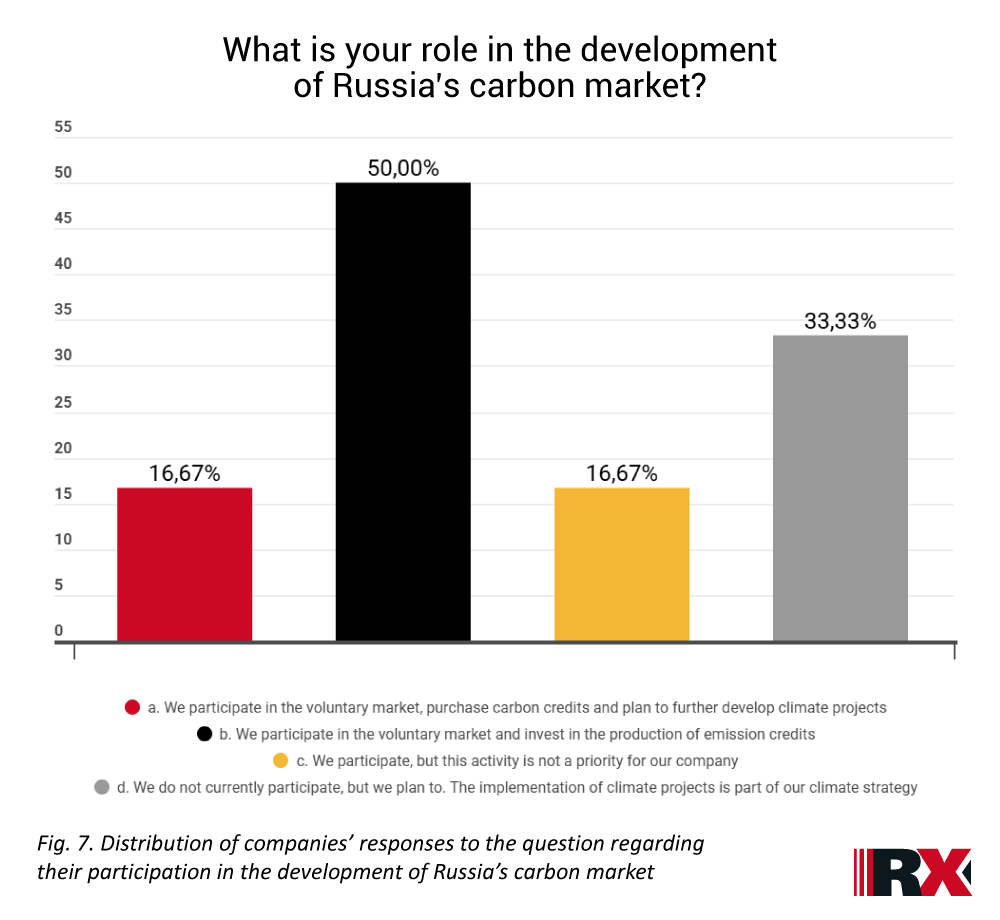
Russia’s carbon market is a relatively new institutional mechanism. Nevertheless, the majority of surveyed MMC are involved in its development in one form or another. More than half of the respondents are developing and implementing climate projects, whilst around a third are considering the possibility of participating in such initiatives.
Companies’ participation in the formation of the carbon market is closely linked to the implementation of specific decarbonisation measures, which determine the potential for emissions reductions.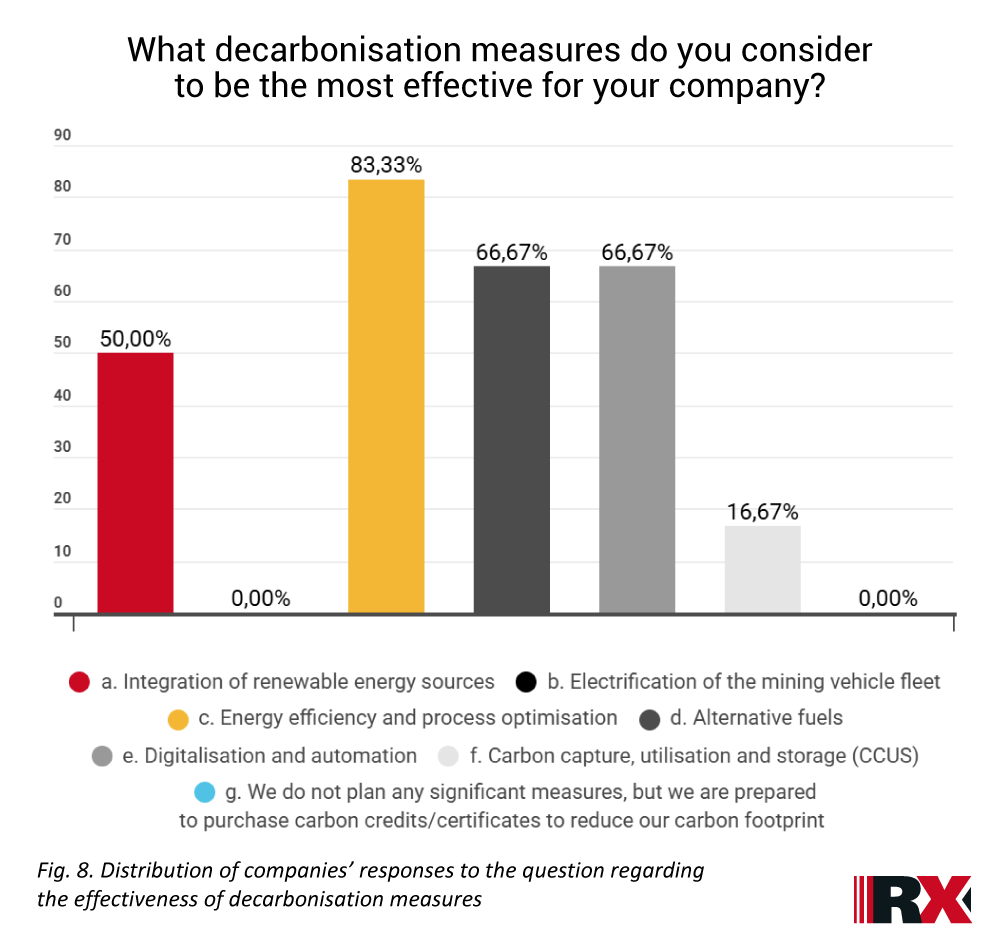
83% of respondents identified measures to reduce the energy intensity of production and process optimisation as the most effective measures. 67% of respondents highlighted the use of alternative fuels, digitalisation and process automation, whilst half of the respondents noted the integration of renewable energy sources.
The electrification of the mining vehicle fleet is not a priority due to its capital intensity; however, there is a view that hybrid formats should be introduced and the best available technologies utilised, which could have a positive impact on reducing emissions.